Professional Acrylic Painting Techniques: Mastering Texture & Layering
Elevate your acrylic work with professional-level techniques. Learn advanced layering strategies, texture creation methods, and techniques used by gallery artists.
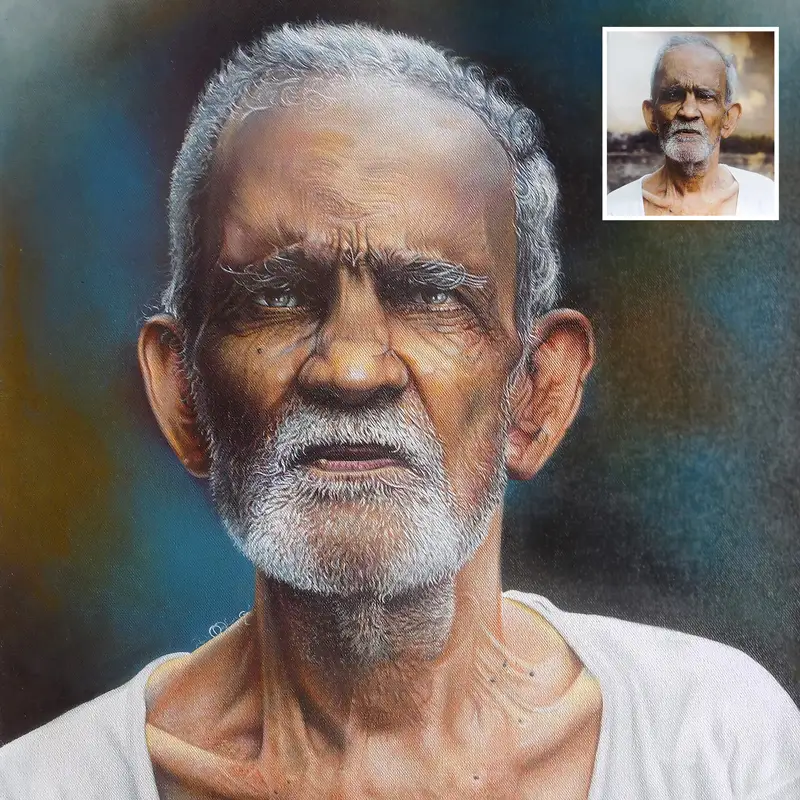
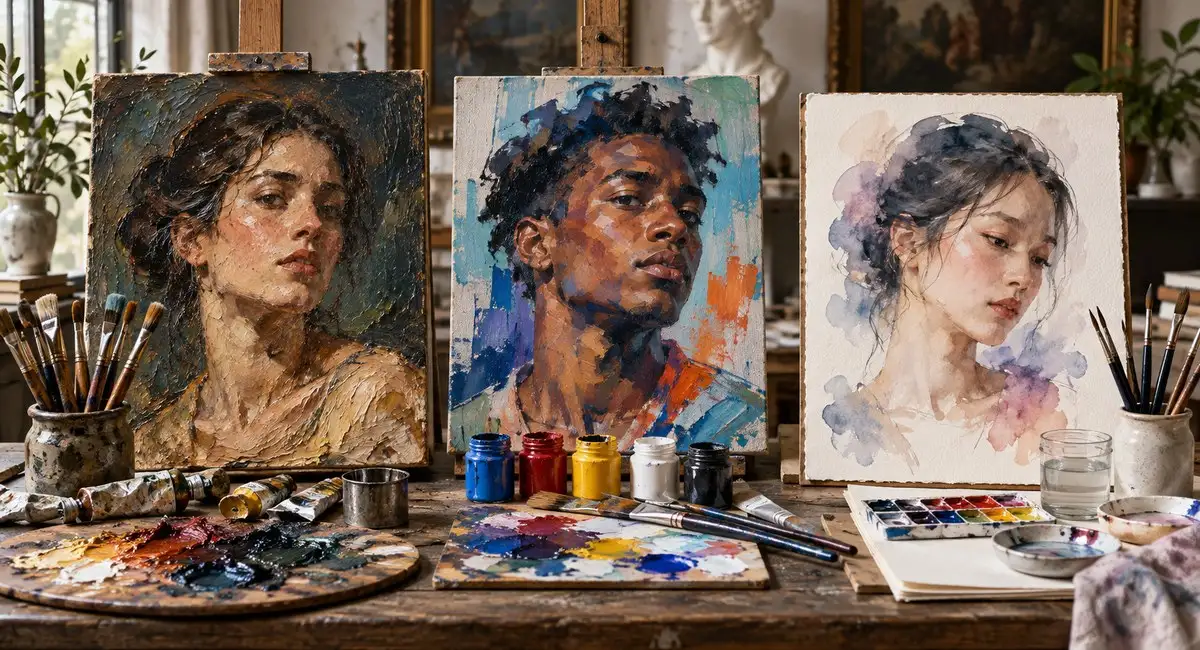
A custom portrait is painted from your photograph. It’s the obvious choice when you want to depict someone specific. Think a parent, grandparent, child, or pet. In contrast, an existing portrait painting is already complete. This type works well when you want the craft and mood of portraiture itself.
Original art occupies an unusual place among things people buy for their homes. It’s decor, but it’s also, quietly, an asset. Furniture and appliances predictably depreciate the moment they leave the showroom. A well-chosen original painting works differently. It can hold its value, and sometimes appreciate meaningfully, while still doing its everyday job of making a room feel complete.
Portraiture is one of painting’s oldest and most enduring genres, stretching from Roman funerary portraits through the royal and merchant-class portraits of Renaissance Europe to the family portraits and studio photography-inspired paintings common today.
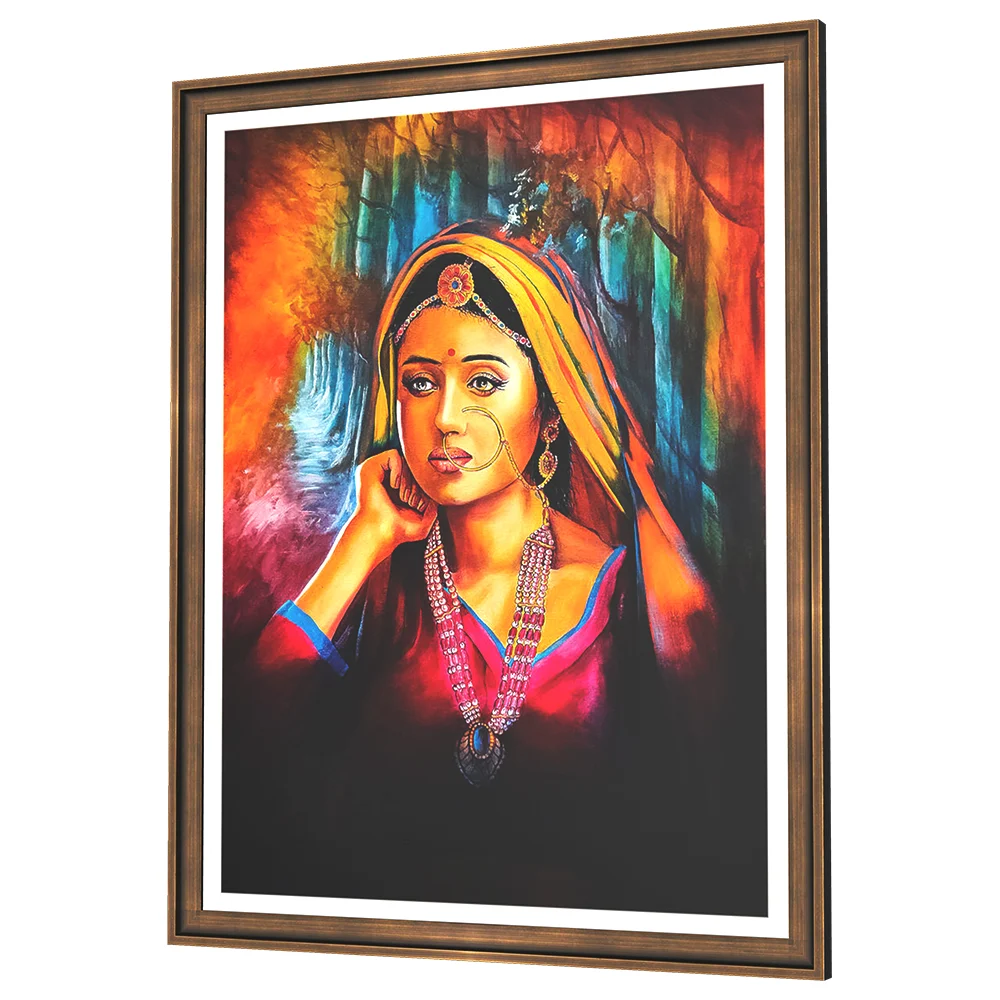
Figurative art depicts the human form, but with real range in how literally or loosely that form gets rendered. Some figurative work leans close to realism, careful proportion, recognizable features, while other figurative work stylizes or simplifies the figure significantly, keeping the essential shape of a person while distorting color, line, or detail for expressive effect.
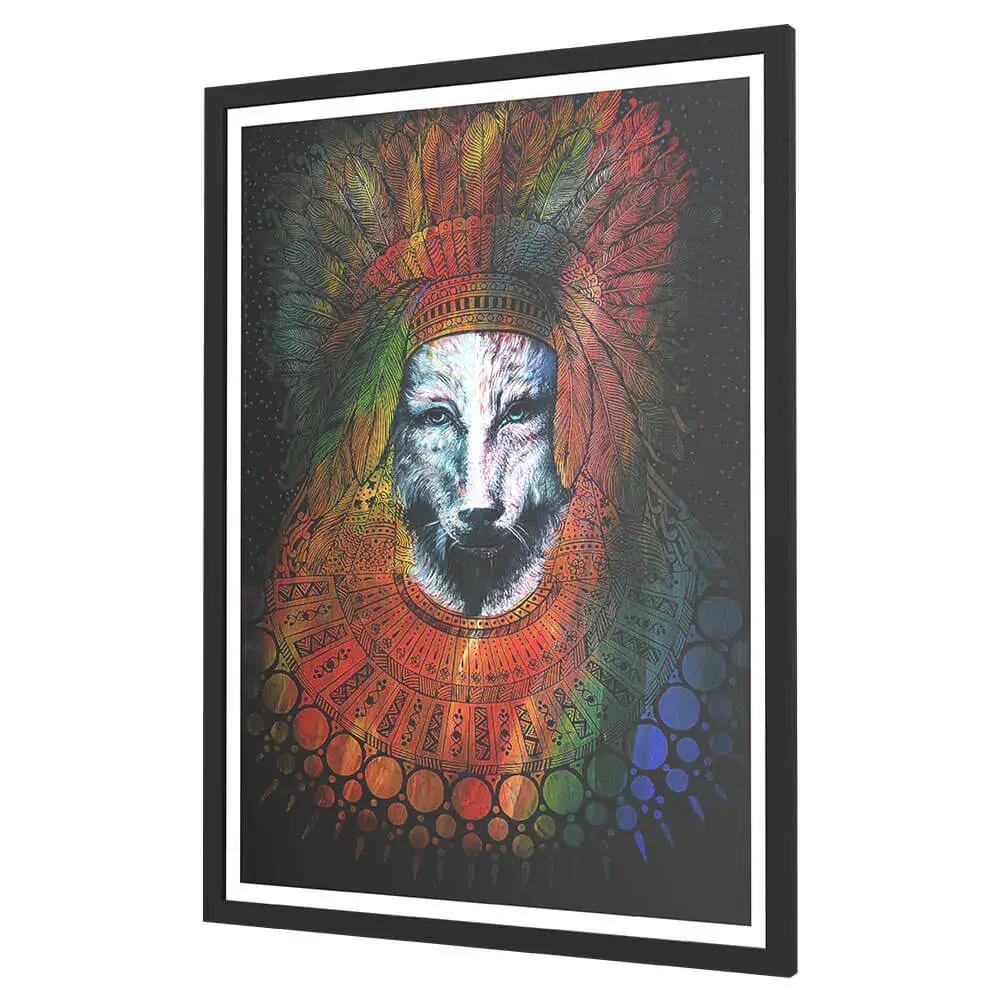
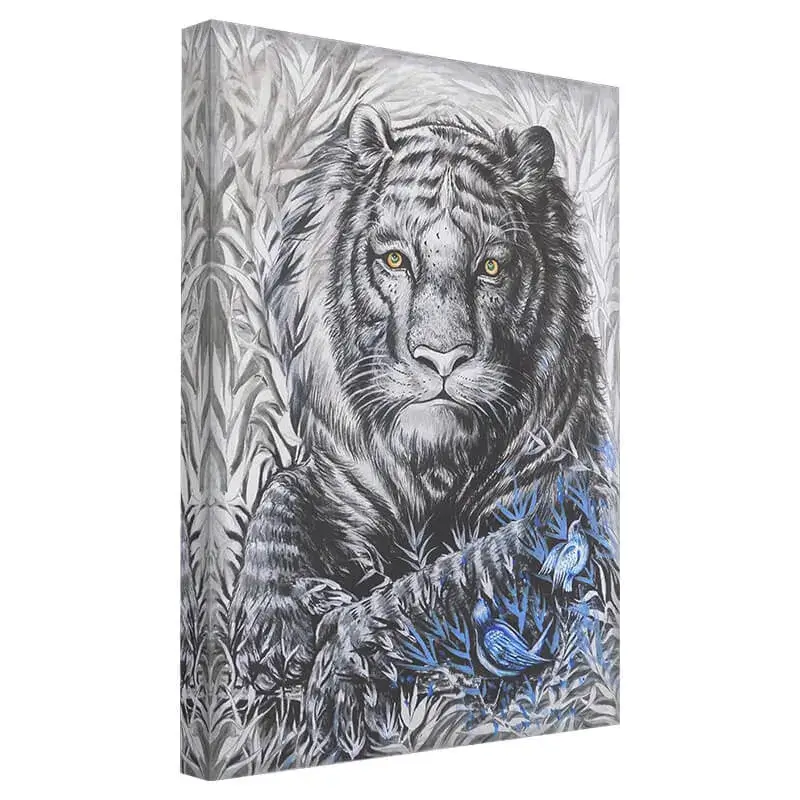
Tribal and indigenous-inspired art, with its animal spirit figures, weathered faces, and deep connection to nature and heritage, falls squarely into that category. It’s not decoration in the usual sense so much as a piece that carries a story, a symbol, a sense of something older and more grounded than most contemporary design trends.
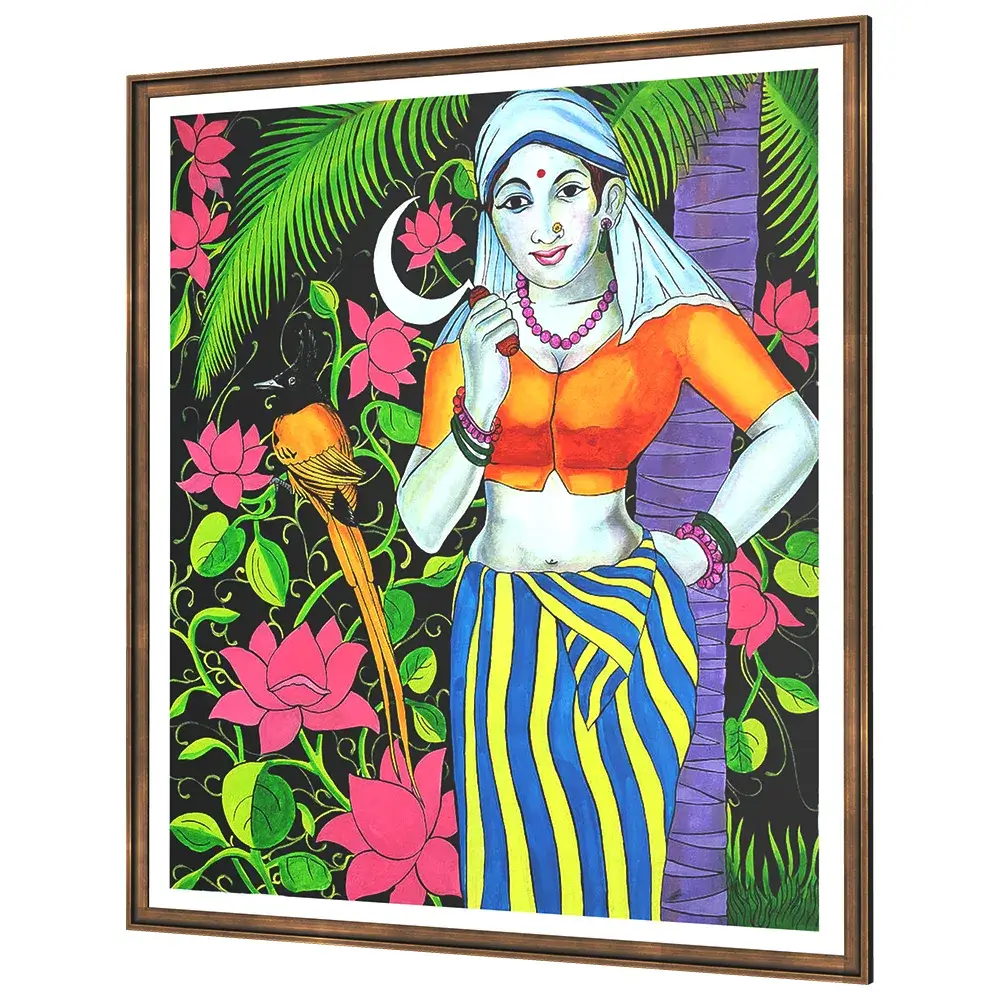
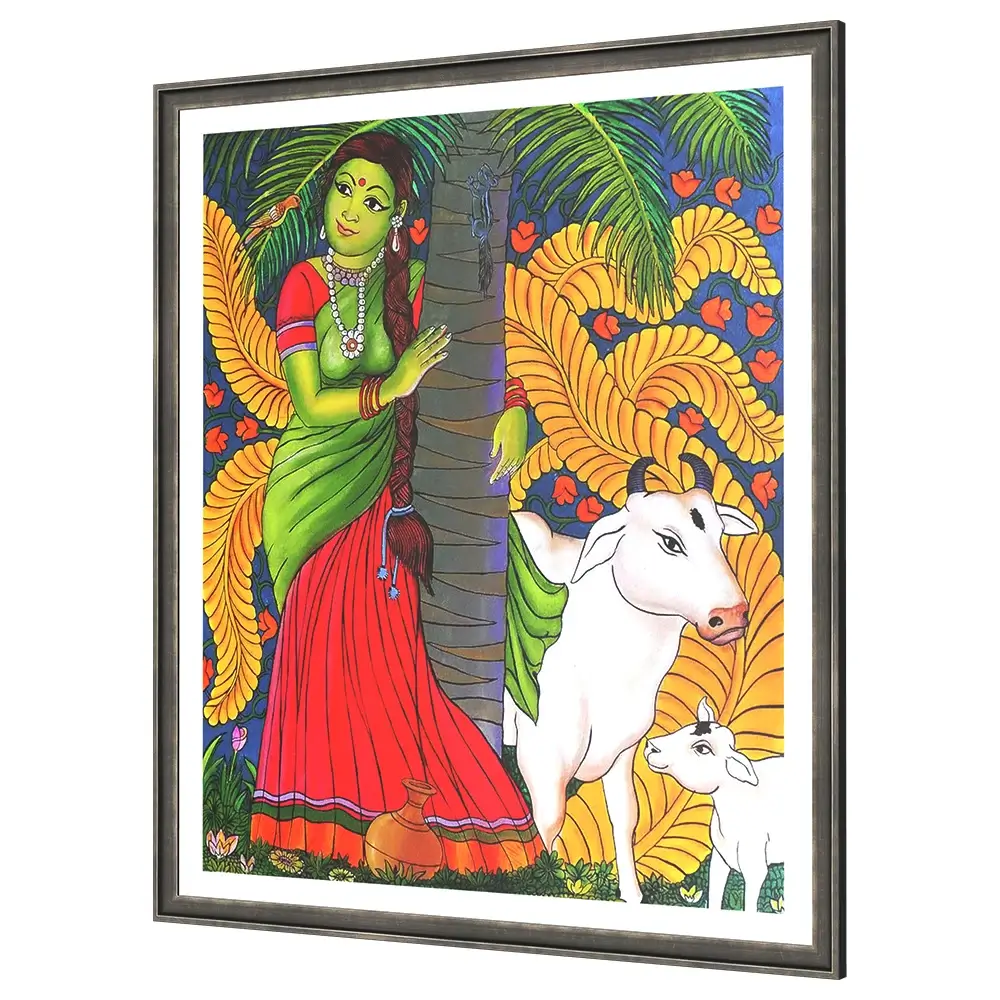
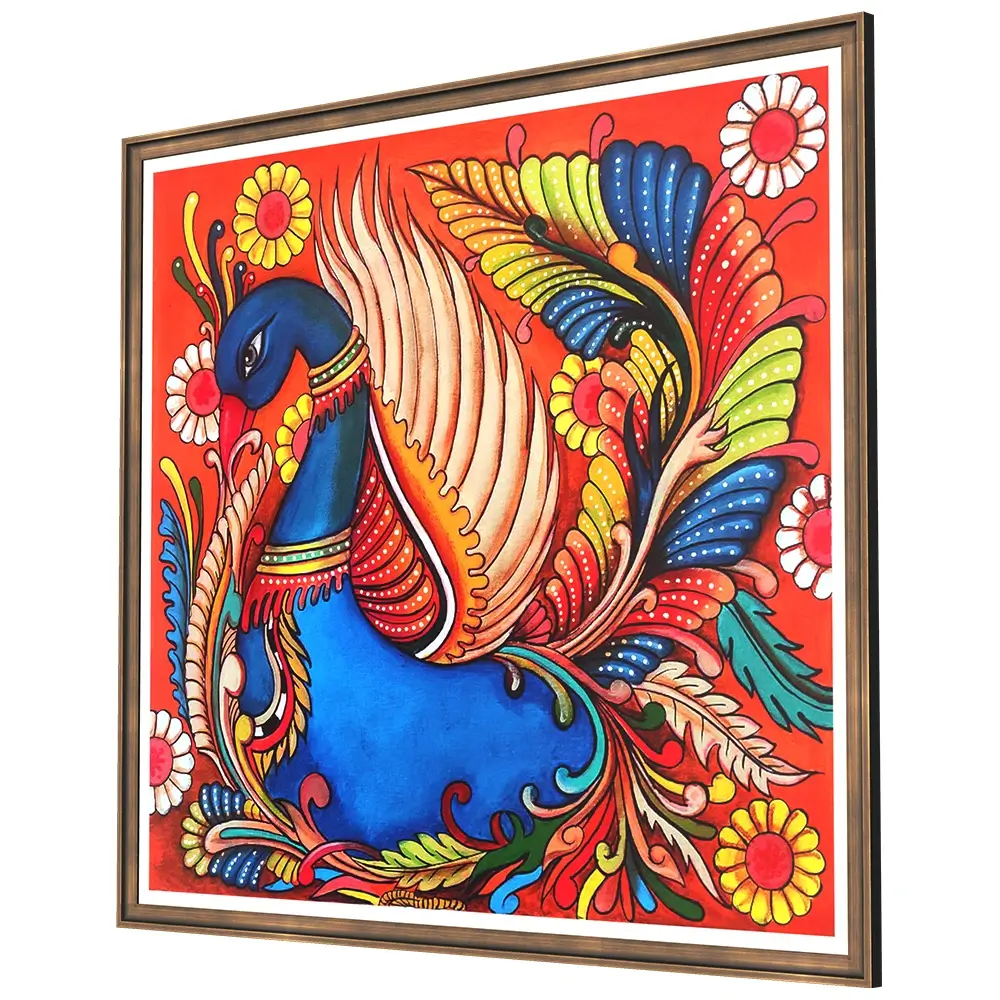
Kerala mural painting traces back well over a thousand years, developing primarily on the walls of temples and royal palaces across the region. The style drew from Kerala’s broader artistic traditions, including its classical dance forms and sculpture, resulting in a visual language built on flowing lines, elaborate ornamentation, and highly stylized figures with distinctive facial features and postures.
A successful gallery wall isn’t really about the individual paintings, it’s about the relationships between them: consistent spacing, a shared visual thread (color, subject, frame style, or all three), and a clear overall shape that the eye can follow.
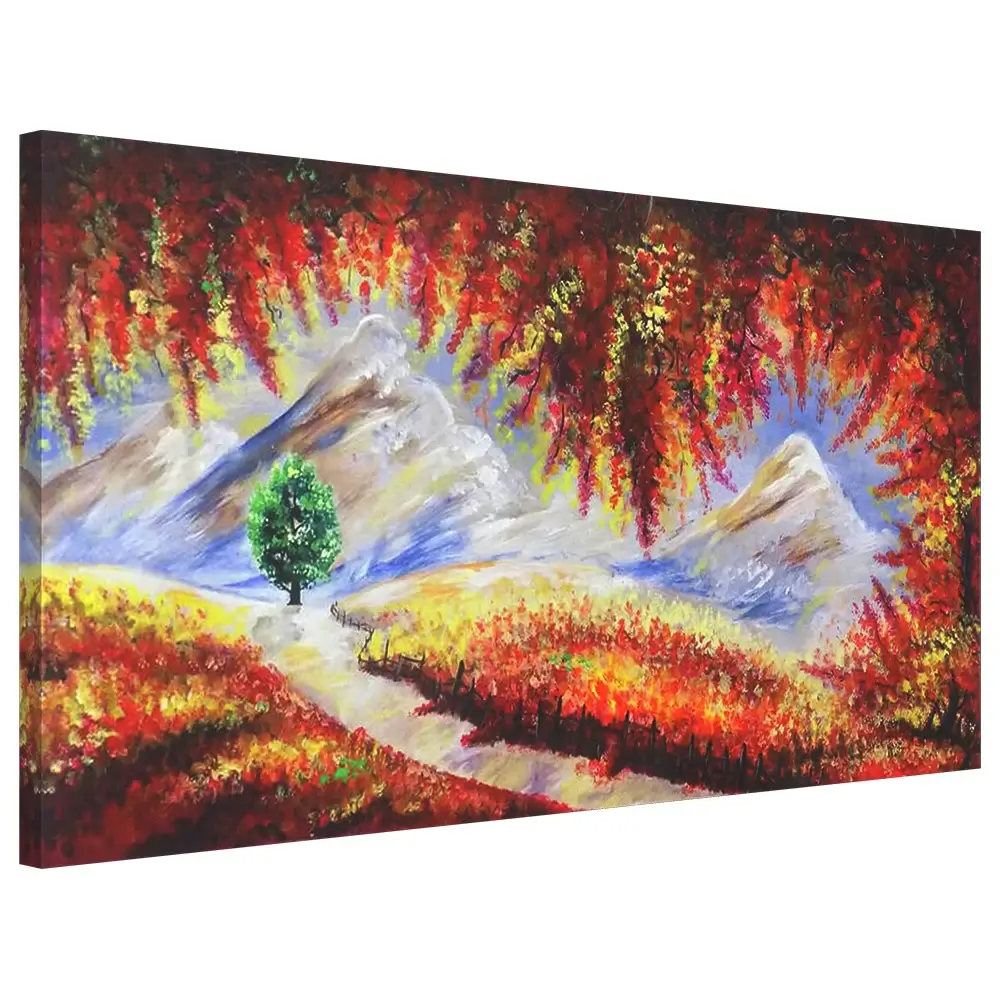
Bright, energetic pieces tend to work best in a kitchen, since it’s a room associated with activity, morning routines, and the start of the day. Bird paintings, colorful abstracts, and warm landscapes all suit the mood well.
A dining room reserved for dinner parties and more formal entertaining can support something bolder and more sophisticated: a striking peacock, a rich abstract piece, or a dramatic monochrome portrait.