There’s a particular kind of painting that doesn’t try to be pretty in the conventional sense, it tries to be meaningful. Tribal and indigenous-inspired art, with its animal spirit figures, weathered faces, and deep connection to nature and heritage, falls squarely into that category. It’s not decoration in the usual sense so much as a piece that carries a story, a symbol, a sense of something older and more grounded than most contemporary design trends.
If you’re drawn to this style but unsure how to actually bring it into a modern home without it feeling out of place, here’s a genuinely practical guide.
What Defines Tribal and Indigenous-Inspired Art
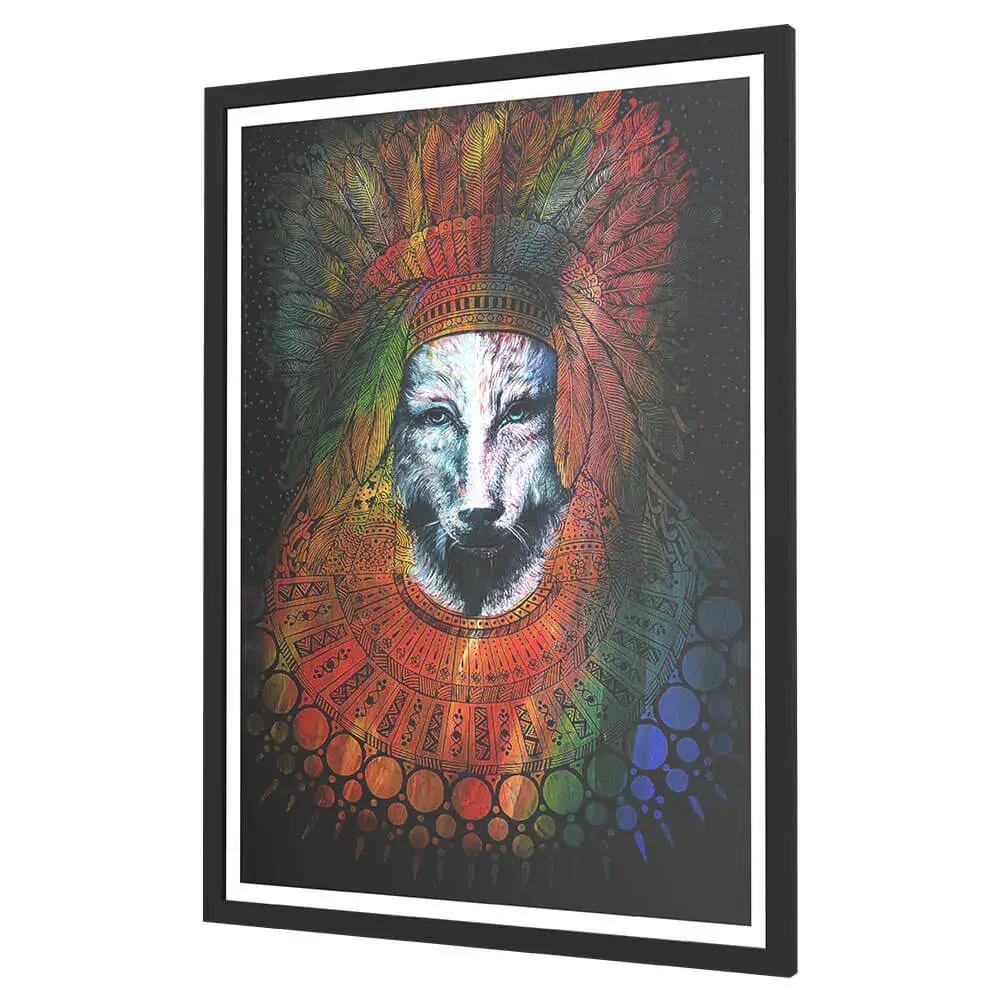
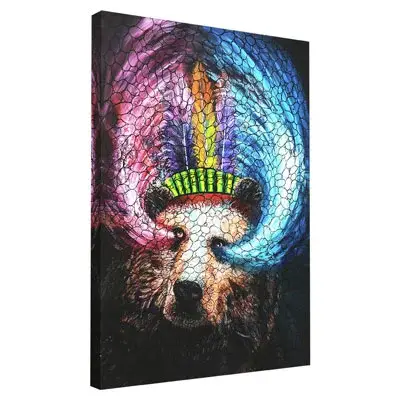
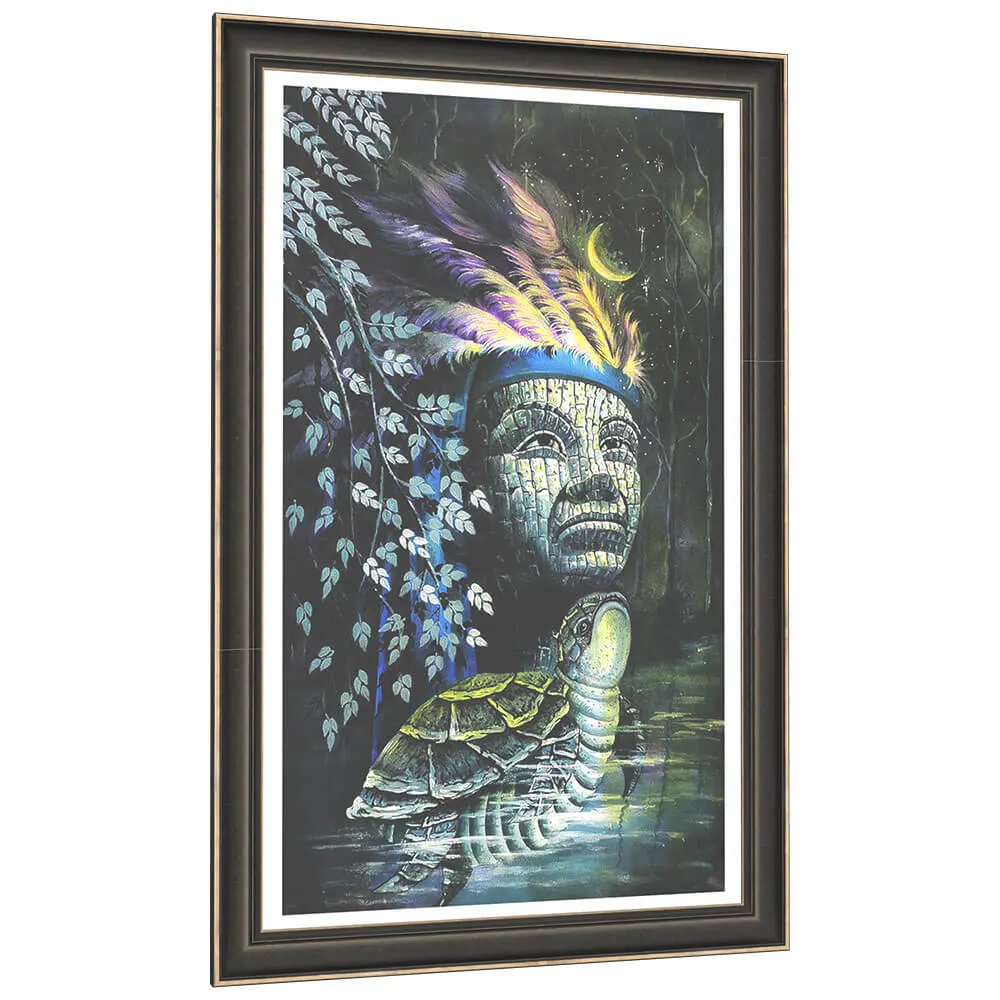
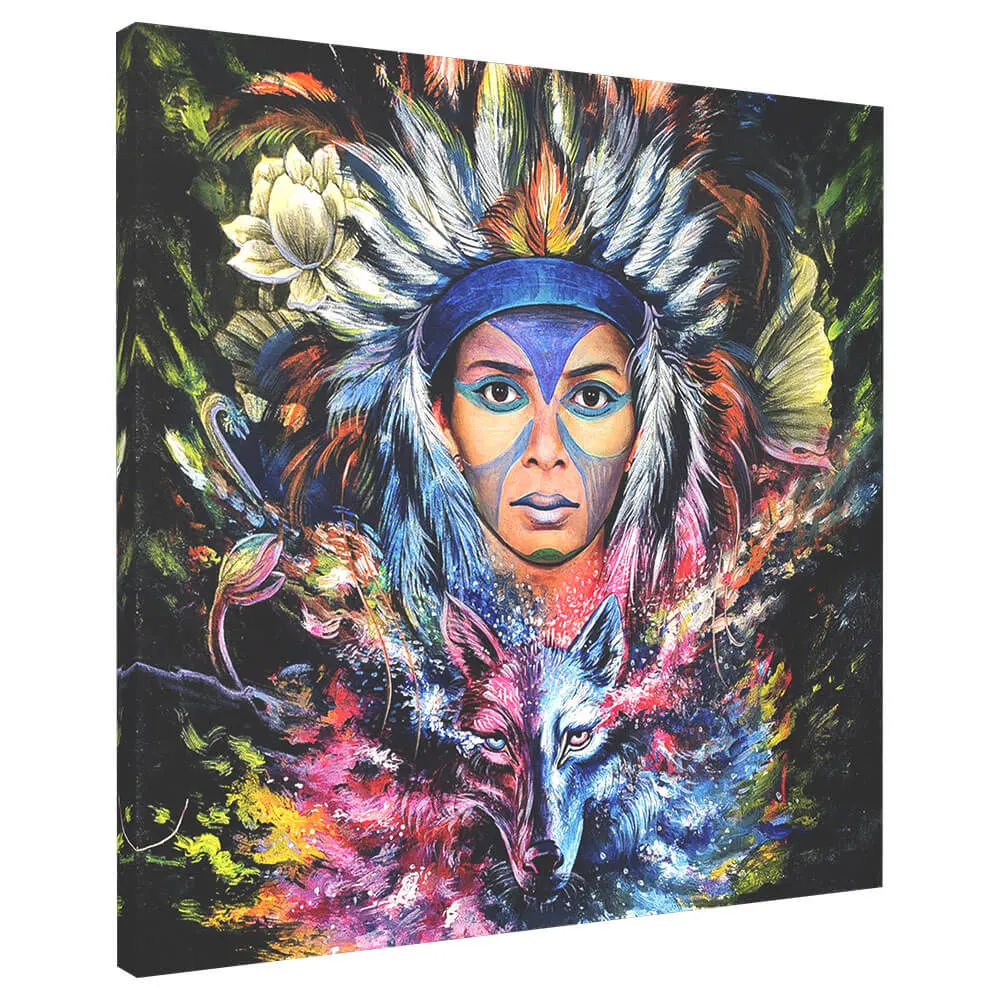
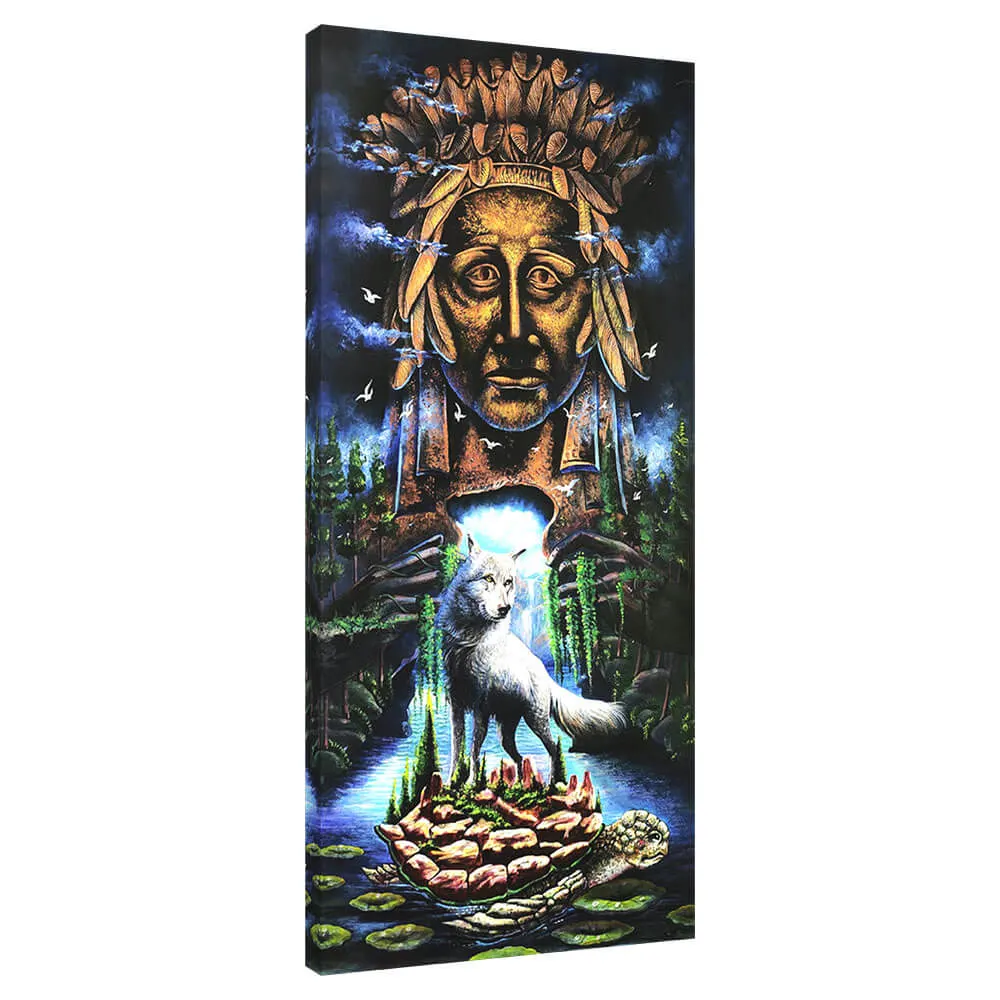
This style draws on the visual language, symbolism, and spiritual themes found across various indigenous cultures worldwide, animal spirit guides, ancestral figures, natural materials rendered with reverence, and a recurring emphasis on the deep, ancient bond between people and the natural world. In painting form, it typically shows up as richly detailed portraits of tribal leaders, animal spirit companions like wolves, bears, and turtles, and compositions that blend human and animal forms into a single, symbolically layered image.
The Symbolism Behind Common Subjects
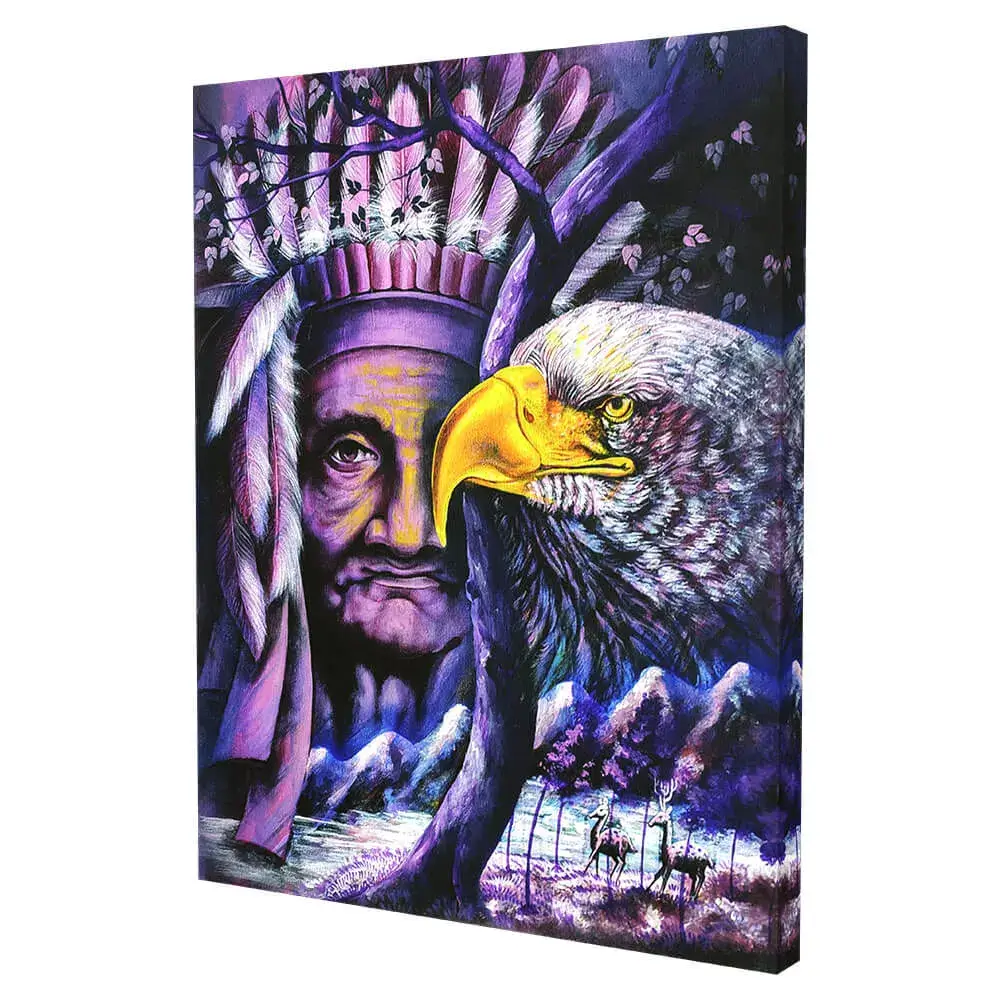
Wolves frequently represent loyalty, intuition, and a strong connection to instinct and community. Bears often symbolize strength, protection, and grounded courage. Turtles carry associations with wisdom, patience, and longevity across many indigenous traditions. Eagles represent vision, freedom, and a connection between the earthly and spiritual worlds. Understanding this symbolism adds a layer of meaning to a piece that goes well beyond its surface visual appeal, which is part of why this style tends to attract buyers looking for art with genuine depth rather than purely decorative value.
Choosing This Style Respectfully
Because this style draws on real cultural traditions and symbolism, it’s worth choosing pieces thoughtfully rather than purely for surface aesthetics. Look for art that treats its subjects with genuine reverence and detail rather than reducing them to a shallow motif, and consider learning a little about the symbolism behind a piece before hanging it, which tends to deepen appreciation for the work rather than leaving it as a purely decorative choice. Supporting artists who approach these themes with care and respect, rather than art that feels careless or exploitative in how it handles cultural imagery, is worth prioritizing when choosing a piece in this style.
Where Tribal and Indigenous Art Suits a Home
A study or home office suits this style particularly well, since the reflective, meaningful quality of the subject matter fits naturally into a space associated with focus and contemplation. A living room can carry a bold tribal piece as a genuine statement wall, especially in a home that already leans toward natural materials, wood, stone, leather, woven textiles. A hallway or entryway can also work, giving guests an immediate sense of the home’s character and the values reflected in its decor choices.
Pairing With Complementary Decor
This style pairs naturally with rustic, cabin-inspired, and organic modern interiors, raw wood, leather, woven textiles, warm earth tones. It can also work beautifully in a more minimalist space as a deliberate point of warmth and meaning amid otherwise spare decor, similar to how a single mural piece can anchor a modern room. Avoid pairing it with anything overly polished, glossy, or synthetic in feel, since the style’s whole visual language is built on natural materials and organic imperfection, which a very slick, manufactured-looking room tends to work against.
Sizing and Placement
Given the detail and emotional weight these pieces typically carry, they benefit from scale similar to other statement paintings, generally 60-90cm or larger for a genuine focal-point placement. Hang at standard eye level, and give the piece some breathing room on the wall around it rather than crowding it with unrelated decor, since these paintings tend to reward a slower, more contemplative look than a quick glance.
Framing Choices
Natural wood frames, particularly in darker, weathered finishes, complement this style especially well, reinforcing the organic, grounded quality of the subject matter. Avoid highly polished, modern metallic frames, which tend to feel visually at odds with the earthy, natural themes these paintings explore. A raw or distressed wood finish, or no frame at all on a gallery-wrapped canvas, often suits the style better than a conventional formal frame.
A Wider Look at Global Indigenous Art Traditions
The animal-spirit, tribal-leader visual language featured in this style draws broadly on themes found across North American indigenous art traditions specifically, though similar reverence for animal symbolism and ancestral connection appears in indigenous art forms worldwide, from Aboriginal Australian dot painting to African tribal masks to India’s own tribal and folk traditions like Warli and Gond art. What unites these traditions, despite their very different visual techniques, is a shared emphasis on storytelling, spiritual connection to nature, and art as something functional and meaningful rather than purely decorative. Understanding this broader context helps frame why tribal-inspired art tends to feel different from almost any other genre available for home decor, it’s rooted in traditions that never separated art from meaning in the first place.
Building a Small Collection Around a Theme
Because each piece in this style tends to carry its own specific symbolism, some collectors enjoy building a small grouping around a personal theme, animals that hold particular meaning to them, or a narrative that unfolds across two or three related paintings hung together. A wolf and an eagle together might represent instinct paired with vision; a bear and a turtle might represent strength paired with patience. Approaching a collection this way turns the wall into something closer to a personal, considered statement than a single decorative purchase.
Tribal Art as a Meaningful Gift
Because of the personal symbolism attached to different animal spirits, this style makes an unusually thoughtful gift when chosen with the recipient’s specific character or life stage in mind, a wolf piece for someone entering a new chapter surrounded by community, a turtle piece for someone valued for their patience and wisdom, an eagle piece to mark a significant achievement or milestone. This kind of symbolic matching gives a tribal-inspired painting a layer of personalization that’s harder to achieve with most other art genres.
Original Paintings vs Mass-Produced Prints in This Style
Given the cultural weight this style carries, the difference between a genuinely hand-painted original and a cheaply mass-produced print matters more here than in almost any other genre. An original reflects real craftsmanship and consideration applied to the subject matter, while a low-quality mass print can feel like exactly the kind of careless commercialization that undermines the respect this style deserves. Choosing an original from an artist who approaches the subject with genuine care is part of engaging with this style thoughtfully rather than superficially.
Lighting and Wall Color for This Style
Warm, low, ambient lighting tends to suit tribal and indigenous-inspired art better than bright, cool overhead lighting, echoing the firelight and natural light conditions under which these visual traditions historically developed. A small table lamp or a dimmable fixture nearby lets you adjust the mood around the piece depending on the time of day or occasion. As for wall color, deep, earthy tones, terracotta, forest green, warm charcoal, tend to let this style’s own natural palette feel like a continuation of the room rather than a contrast against it, though a plain neutral wall works perfectly well too if you’d rather let the painting stand out more distinctly.
Common Mistakes to Avoid
The most common mistake is choosing this style purely for its visual boldness without any genuine interest in or respect for the symbolism behind it, which can leave the piece feeling hollow rather than meaningful in your own home. The second is pairing it with an overly polished, ultra-modern frame or room that undercuts its organic, grounded quality. The third is under-sizing; this style generally needs enough scale for its detail and emotional presence to register properly rather than getting lost as a small accent piece.
The Emotional Register of Tribal Art Compared to Other Styles
Where abstract art often invites open interpretation and landscape art tends to soothe, tribal and indigenous-inspired art generally aims for something more specific: reverence, groundedness, a sense of ancient continuity. It rarely functions as light, breezy decoration, and it’s worth being honest with yourself about whether that weightier register genuinely suits how you want a particular room to feel. A bedroom, for instance, might benefit more from a gentler, quieter subject within this same style, a single symbolic animal rather than a dense, multi-figure composition, since the room’s purpose leans toward rest rather than contemplation.
Tribal Art in a Reading Nook or Meditation Corner
Given its contemplative, meaningful quality, this style suits a dedicated reading nook or meditation corner particularly well, sitting alongside the same kind of quiet, considered use of space that a Buddha painting or a Japandi-style piece might occupy in a different room. Positioned at seated eye level in a small, personal corner of the home, a tribal-inspired painting becomes something closer to a daily point of reflection than a purely decorative element, which is arguably where this style does its best, most rewarding work.
Caring for These Paintings
Dust gently with a soft, dry cloth, paying particular attention to any areas with heavier paint texture, since these pieces often use a fair amount of layered detail. Keep out of direct, prolonged sunlight to preserve the depth of the earthy color palette typical of this style. Avoid humid environments and never apply cleaning products directly to the canvas surface.
Choosing a Piece That Reflects Your Own Story
Beyond general symbolism, some buyers find the most meaningful approach is choosing an animal spirit that connects to a real moment or quality in their own life, a wolf piece bought after a major move to a new community, a turtle piece marking a season of patience and slow, steady progress, an eagle piece chosen to commemorate a significant personal achievement. Framed this way, the painting stops being generic wall decor entirely and becomes something closer to a piece of personal history rendered in paint, which is arguably the deepest expression of what this style is trying to do in the first place.
Frequently Asked Questions
Is it appropriate to buy tribal-inspired art if I’m not from an indigenous background myself?
Appreciating and displaying this art in your home, when the pieces are created and sold with genuine respect and craftsmanship, is generally seen as a way of honoring the tradition rather than appropriating it. Choosing pieces made thoughtfully, rather than mass-produced or careless imitations, is the key distinction worth prioritizing.
What room suits tribal art best?
A study, home office, or living room statement wall tends to suit this style particularly well, especially in a home that already leans toward natural materials and an organic, grounded aesthetic.
Does this style work in a modern, minimalist home?
Yes, often as a deliberate point of warmth and meaning within an otherwise spare space, similar to how a single richly detailed cultural piece can anchor a minimalist room.
What animal symbol should I choose?
Consider what the symbolism means to you personally, wolves for loyalty and instinct, bears for strength and protection, turtles for wisdom and patience, rather than choosing purely on visual appeal alone.
Can tribal art be mixed with other painting styles in the same room?
Yes, particularly when paired with landscape or nature-themed pieces that share a similar earthy, natural sensibility. Avoid pairing it directly beside something visually clinical or highly polished, since the contrast can feel jarring rather than complementary.
Is this style suitable for a children’s room?
Some gentler, single-animal pieces can work well in an older child’s room, particularly if the child has a genuine interest in a specific animal’s symbolism, though the more intense, multi-figure compositions are generally better suited to adult spaces.
The Takeaway
Tribal and indigenous-inspired art brings something most contemporary decor doesn’t: genuine symbolic depth and a connection to nature and heritage that rewards real attention rather than a passing glance. Chosen thoughtfully and placed with the respect the subject deserves, it becomes one of the most meaningful pieces a home can hold.
Explore our full tribal and indigenous art collection, hand-painted on canvas by our artists in India.