
Kitchens and entryways have something in common that most other rooms don’t: everyone passes through them, but almost nobody sits and lingers. That single fact changes how wall art should work in both spaces. It’s why treating them like a smaller version of a living room usually falls flat. Here’s how to actually get it right in each.
Why Transitional Spaces Need a Different Approach
A living room painting gets studied over a long evening. A kitchen or entryway painting gets glanced at for two or three seconds, dozens of times a day. People move quickly between rooms. That means the piece needs to register instantly. It should reward bold color, a clear subject, strong contrast. There’s rarely time for anything subtler to land.
Kitchen Wall Art: The Practical Constraints First
Before style, there’s a practical issue unique to kitchens: heat, steam, grease, and humidity. These aren’t small concerns. Over months and years, they genuinely affect a painting’s surface. Keep original canvases away from the immediate cooking zone. Don’t place them on the wall directly behind or beside the stove. Reserve that spot for art only if you protect it behind glass. Position it at a safe distance with good ventilation. Walls near the dining table work much better. A kitchen island or breakfast nook wall is safer still. These spots stay further from direct heat and steam.
What Style of Art Suits a Kitchen
Bright, energetic pieces tend to work best in a kitchen. Kitchens are rooms associated with activity, morning routines, and the start of the day. Bird paintings, colorful abstracts, and warm landscapes all suit the mood. Additionally, avoid overly serene or sleepy imagery in this space. A very quiet, muted piece can feel oddly mismatched. Kitchens are usually the most active part of the house during peak hours.

Kitchen Wall Art by Zone
An open-shelf or breakfast nook wall, away from direct cooking heat, can comfortably hold a medium original painting. Choose something warm and appetizing in tone for this location. A wall near the kitchen table or island works well too. People sit there for a few minutes with coffee. This spot supports a slightly more detailed piece than a wall people only pass through. A narrow wall between cabinets or appliances needs a smaller, simpler piece. A vertical composition often suits this space better than a wide horizontal one. The painting needs to fit the available wall space.
Entryway Wall Art: First Impressions Matter Most
The entryway sets the tone for the entire house before a guest has even taken their shoes off. Unlike other rooms, entryway art has almost no competition. There’s no furniture, no other decor, usually just the painting. Maybe there’s a console table or mirror. So the painting carries a disproportionate amount of the room’s visual weight. This makes it one of the highest-impact places in the whole house. It’s also one of the lowest-effort places. Investing in a genuinely striking piece here pays off significantly.
What Style of Art Suits an Entryway
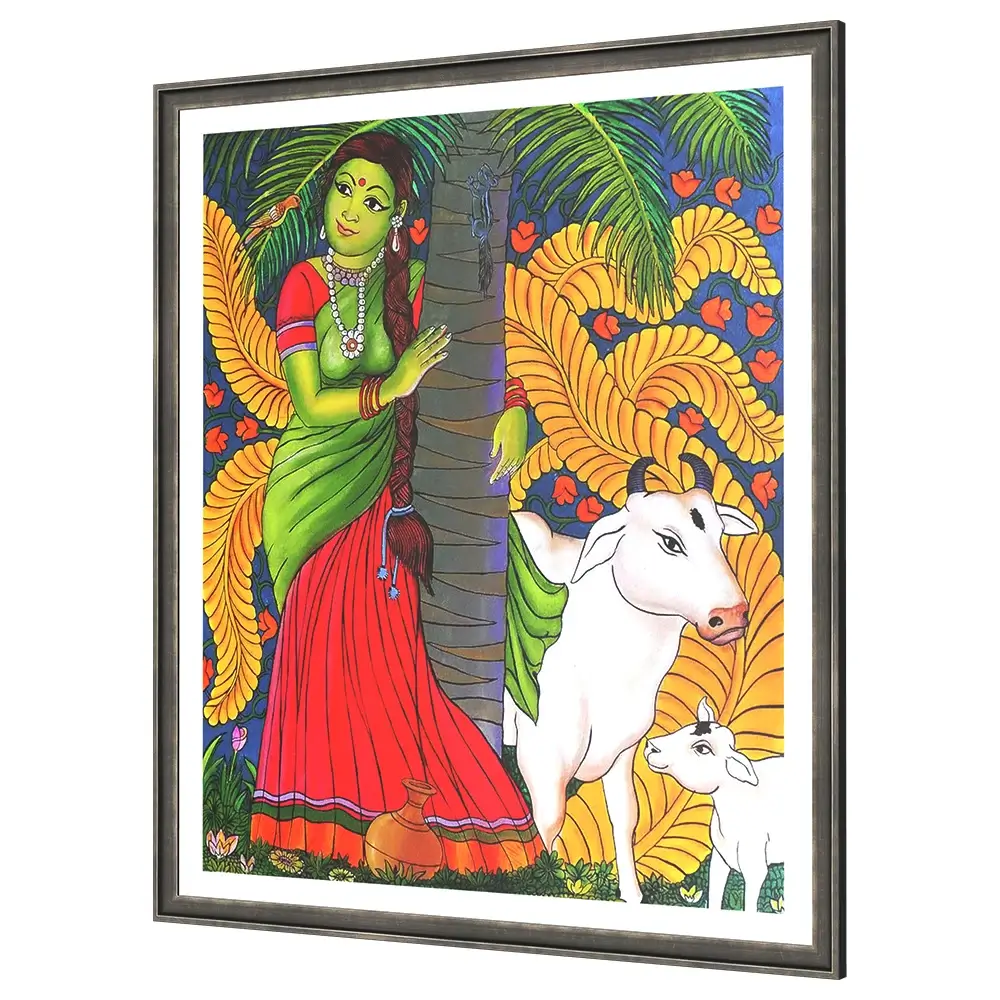
Bold, confident pieces work best here. The entryway’s whole job is to make a strong, immediate impression. A vibrant abstract suits this role well. A striking wildlife portrait works too. A rich cultural piece also functions excellently in this space. This is also one of the few spots in the house where a smaller painting can still make a big impact. People usually view it at close range. The space is narrow, which amplifies visual effect. A smaller work will feel more impactful here than from across a large room.
Entryway Sizing and Placement
Entryways are often narrow. Oversized art can feel cramped rather than impressive. A medium-sized piece tends to work best. Aim for roughly 60-90cm on its longer side. This size suits most entryway walls without overwhelming the space. Hang it at standard eye level, around 145-155cm to the center of the piece. If there’s a console table beneath it, size the painting to roughly match the table’s width. This creates a balanced, intentional look.
Lighting for High-Traffic Spaces
Kitchens usually have strong overhead lighting. This works generally fine for art. Bright, even light suits bold, colorful pieces well. Entryways present more of a challenge. They’re often dimmer than the rest of the house. They may lack a dedicated light source. A small picture light makes a difference here. A warm wall sconce works too. Position either near the entryway painting. This ensures viewers actually see it properly. Without dedicated lighting, the piece sits in shadow. People walk through the front door repeatedly without noticing it.
Creating Continuity Between the Two Spaces
In many homes, the entryway leads directly into the kitchen. This is especially true in open-plan layouts. When this happens, choose art for both spaces with intention. Create at least a loose sense of continuity. Choose a shared color family. Aim for a similar level of boldness. Rather than treating them as two completely unrelated decorating projects, consider them together. This doesn’t mean matching exactly. It means avoiding a jarring shift in mood. The transition from one space to the other should feel smooth.
Kitchen Gallery Walls: Do They Work?
A cluster of several smaller paintings can work well in a kitchen. Position the cluster on a wall away from cooking heat. Kitchens often have more broken-up wall space than other rooms. You find space between cabinets, above a bench, beside a window. Keep the pieces loosely related in color or subject. Don’t assort them randomly. Leave consistent spacing between them, roughly 5-8cm. This makes the grouping read as one deliberate arrangement. It doesn’t look like a scattering of unrelated frames. Furthermore, avoid clustering originals directly above any heat source. This applies even if individual pieces are positioned a safe distance away. The cumulative exposure across a whole grouping adds up faster than a single piece would.
Entryway Art Paired with a Mirror
Many entryways already have a mirror. People use it for a last-minute outfit check. It also bounces light around a smaller space. Rather than treating the mirror and the painting as competitors for the same wall, consider placing them on adjacent walls. This gives each its own moment. Alternatively, choose a smaller painting sized to sit above or beside the mirror as a complementary pair. A mirror directly opposite a bold painting creates an interesting effect. It visually doubles the painting’s presence in the room. The mirror reflects its color and energy back into the space. This is a simple trick worth considering in a small or dim entryway.
Mudrooms and Boot Rooms
If your home has a dedicated mudroom or boot room separate from the main entryway, treat it as its own design opportunity. Don’t leave it purely functional. These spaces tend to be even more high-traffic than a formal entryway. They’re exposed to dirt, moisture, and temperature swings more than other areas. A smaller, hardier piece makes practical sense here. A print rather than an original suits this space if it sees heavy wear. This choice makes more practical sense than a significant investment piece in such a harsh environment.
Choosing Art for a Kitchen Island or Breakfast Bar Wall
If your kitchen island or breakfast bar faces a wall rather than an open room, that wall becomes one of the most frequently viewed spots in the entire house. People sit still there, however briefly. They do this multiple times a day. Unlike the rest of the kitchen, which people view in passing, this spot rewards a slightly more considered piece. Choose something with genuine detail. This spot gets the closest thing to sustained attention a kitchen wall typically receives.
Seasonal Entryway Styling
Because the entryway is the first thing guests see, many households enjoy layering seasonal touches around a fixed painting. Add a wreath. Place seasonal flowers on a console table. Make small decorative changes. Rather than swapping the art itself, keep the painting constant. Choose an entryway painting with a fairly versatile, non-seasonal subject. A bold abstract works well. A striking animal portrait also functions nicely. Avoid something explicitly tied to a specific season. This approach gives you the most flexibility to refresh the space throughout the year. You won’t need to rotate the primary artwork.
Common Mistakes to Avoid
In kitchens, the most common mistake is hanging an original painting too close to the stove. Another error is placing it near a steam-producing appliance. This leads to gradual, avoidable damage. In entryways, choosing something too small is a frequent mistake. A space meant to make a strong, quick impression needs a visible piece. Another error is choosing something too subtle. Additionally, avoid hanging the piece where a coat rack or open door blocks it. Across both rooms, under-lighting creates problems frequently. A genuinely good painting hung in a dim, poorly lit hallway or kitchen corner rarely gets the attention it deserves.
Framing Considerations
For kitchen art, consider a frame with a protective glass or acrylic front. Use this especially if the piece goes anywhere near potential splatter or steam. Use it even at a safe distance. A protective front adds a layer of protection. It doesn’t significantly change the look. For entryway art, frame choice can lean bolder and more decorative. The entryway is one of the few spaces where a striking frame works well. It reinforces the strong-first-impression goal. It doesn’t compete with the artwork.
Caring for Art in High-Traffic, High-Humidity Areas
Dust both kitchen and entryway art more frequently than pieces in quieter rooms. These spaces accumulate airborne dust faster. Cooking residue settles on surfaces. Outdoor debris enters too. A bedroom or study won’t accumulate these particles as quickly. In humid climates, check periodically for canvas warping. This sign indicates the painting may need relocation. Move it slightly further from the moisture source. Entryway art near an exterior door needs attention too. Check it for sun fading. This occurs if it catches direct light when the door opens.
Renting? Kitchen and Entryway Art Still Matters
In a rental, structural changes aren’t usually an option. But wall art is one of the few upgrades that’s entirely portable and reversible. A single strong painting in a rented kitchen or entryway can do a lot. It makes the space feel like home. Almost any other change available to a renter produces less impact. The painting moves with you when the lease ends. Lightweight hanging strips make this easy. Use hooks designed not to damage walls. This provides an easy, low-commitment upgrade even in a strict no-nails rental.
Preparing These Spaces for Selling Your Home
If you’re preparing to sell, real estate staging advice consistently highlights the kitchen and entryway. They rank as two of the highest-impact rooms. A buyer’s first impression happens here. A bold, well-placed painting in the entryway can shift how a buyer feels. The shift can be meaningful. The buyer’s perception of the whole home changes in the first ten seconds of a viewing. Choose something broadly appealing for staging purposes. Avoid highly personal or unusual pieces. The goal shifts from personal expression to universal appeal during a sale.
A Quick Buying Checklist
- For kitchens: choose the wall carefully first, prioritizing distance from heat and steam over aesthetics alone
- For kitchens: go bright and energetic rather than quiet and muted
- For entryways: choose bold and confident — this is not the room for subtlety
- For entryways: size to roughly 60-90cm and plan for dedicated lighting if the space is dim
- Across both: consider how the two spaces flow into each other and aim for loose visual continuity
Frequently Asked Questions
Is it safe to hang an original painting in a kitchen at all?
Yes, it’s safe. Position it away from direct heat, steam, and grease. Hang it on a wall near a table, island, or breakfast nook. Avoid hanging it directly beside the stove.
What size painting works best for a narrow entryway?
A medium piece around 60-90cm on its longer side usually works well. It’s large enough to make an impression. It won’t feel cramped in a narrow space.
Should kitchen and entryway art match the rest of the house?
It should feel connected in tone and quality. It doesn’t need to match exactly. A loose thread of color or mood across the home reads as more considered. An identical palette everywhere feels less intentional.
What if my entryway has no natural light?
This is exactly where dedicated lighting for the painting matters most. A small picture light ensures visibility. A warm sconce works too. The piece gets seen properly regardless of natural light levels.
Can I hang art near a window in my entryway without worrying about fading?
Direct, prolonged sunlight can fade any painting over time. If the entryway window gets strong direct light for much of the day, position the piece on a wall that receives indirect light instead. Choose a spot slightly further from the window’s direct path.
What if my kitchen has no wall space at all for art?
Consider the end of a cabinet run. The side of a peninsula offers another option. Even a small piece propped on open shelving can work. This approach suits kitchens with limited traditional wall space surprisingly well.
The Takeaway
Kitchens and entryways don’t get the luxury of a long, careful glance. The art in these spaces has to work faster and harder. A living room or bedroom piece gets more attention. Choose boldly. Place thoughtfully around each room’s practical constraints. Both spaces will feel considered. They won’t read like an afterthought on the way to somewhere else.
Browse our full collection of original hand-painted artwork, created on canvas by our artists in India, to find pieces suited to your kitchen and entryway.