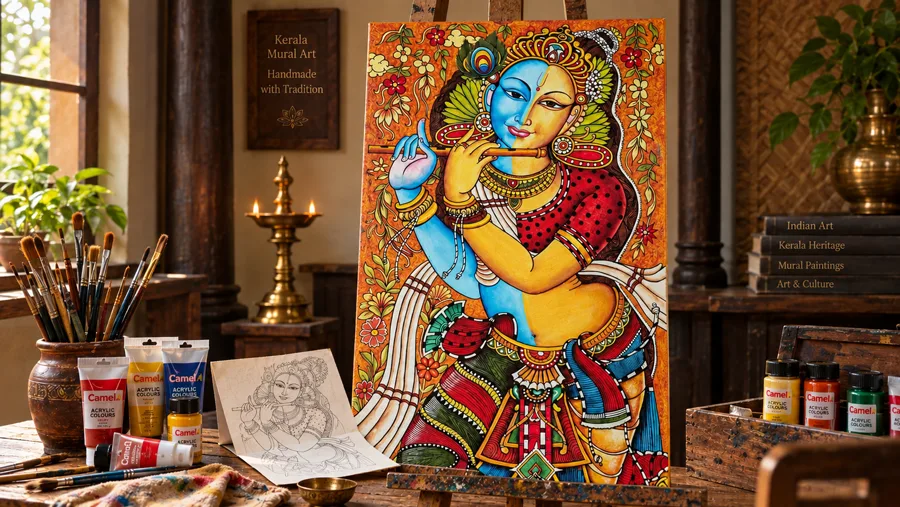
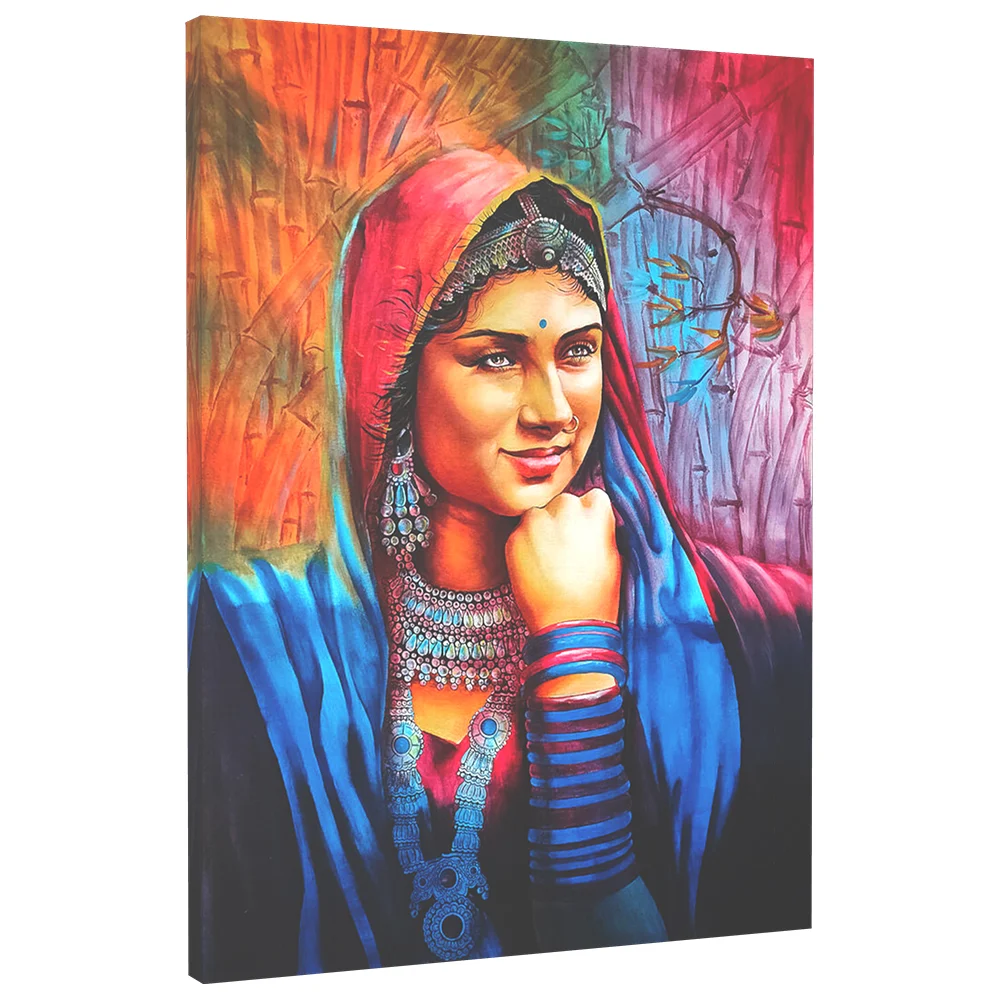
Every art buyer eventually faces the same choice: original painting vs print. Both fill a wall. Both can look beautiful in a photo. But they are not the same product, and they do not serve the same purpose. This guide explains the real difference, so you know exactly what you are paying for.
What Is an Original Painting?
An original painting is a single, one-of-a-kind artwork, created by hand with a brush and paint. No two originals are ever identical, even when they share the same subject. The artist signs it personally, and every brushstroke carries real texture you can feel and see under light.
What Is a Print?
A print is a reproduction of an image, made using a printer rather than a brush. It might reproduce a photograph, a digital design, or even a scanned original painting. Prints are usually made in unlimited quantities, so the same image can hang in thousands of homes at once. Learn more about the print side in our canvas vs acrylic prints guide.
Original vs Print: Side by Side
| Factor | Original painting | |
|---|---|---|
| Uniqueness | One of a kind, never repeated | Reproduced in multiples |
| Texture | Real brushwork, visible under light | Flat surface, no texture |
| Value over time | Can hold or grow in value | Generally does not appreciate |
| Price | Higher, reflects the artist’s time and skill | Lower, reflects printing cost |
| Best for | Statement walls, gifts, family heirlooms | Rented spaces, quick decor updates, tight budgets |
| Turnaround | Days to weeks, since it is handmade | Usually ready to ship immediately |
When a Print Makes More Sense
Prints are not a lesser choice – they simply suit different situations. If you are decorating a rented flat, testing a colour scheme, or working with a tight budget, a high-quality print gives you the look you want without a large investment. It also makes sense for a room you plan to redecorate again soon.
When an Original Painting Is Worth It
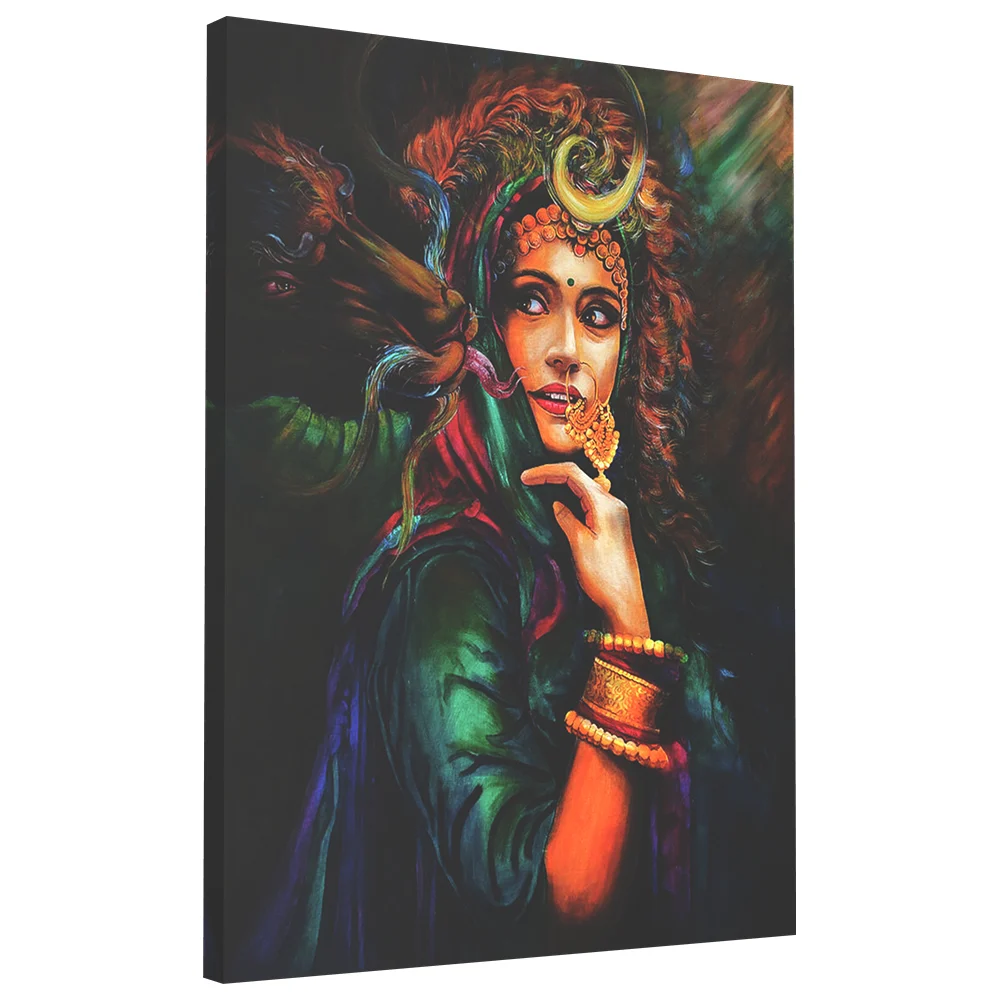
An original painting makes the most sense for a permanent home, a statement wall, or a gift meant to last generations. It also suits collectors who want a piece with real provenance – the artist’s signature, and a story behind the work. Since no one else will ever own the exact same painting, it becomes part of your home’s identity rather than a decoration you swap out.
Many buyers also see an original as a long-term asset. While art should never be bought purely as an investment, a well-made original from a growing artist can hold or increase in value, something a print never does.
How to Tell Them Apart Before You Buy
- Ask if it is one of a kind. A genuine original seller will confirm this directly, and often shows you the actual signed canvas.
- Look for texture in photos. Raking light across an original painting reveals visible brush ridges; a print stays perfectly flat.
- Check for a signature. Artists sign originals by hand, directly on the canvas.
- Compare the price to the size and detail. If a large, highly detailed painting costs the same as a small print, it is very likely a print.
At ASP Arts, we sell only in-house original artworks – every piece is hand-painted, signed, and shipped with a certificate of authenticity. Browse our full original painting collection.
Frequently Asked Questions
Is an original painting really worth the extra cost?
For a statement wall, a gift, or a piece you plan to keep for years, yes. You are paying for the artist’s time, skill, and a work that exists nowhere else. For a temporary space or a tight budget, a print is the more practical choice instead.
Can a print look as good as an original?
A high-quality print can look excellent from across a room. Up close, however, it lacks the texture and depth of real brushwork, and it will never be one of a kind.
How do I know if a painting is genuinely original?
Look for a hand signature, visible brush texture, and a seller who confirms the piece is one of a kind. A certificate of authenticity is also a strong sign of a genuine original.
Choose What Fits Your Space and Budget
There is no wrong answer between an original painting and a print – only the right one for your room, your budget, and how long you plan to keep the piece. Now that you know the real difference, you can choose with confidence.