Some paintings decorate a room. A good Buddha painting changes how the room feels to sit in. There’s a reason this particular subject keeps showing up in spas, yoga studios, and meditation corners — it does something most other wall art doesn’t, which is invite stillness rather than attention.
You don’t need to practice any particular faith to want that feeling in your home. Here’s how to choose a Buddha painting that actually earns its place on the wall, and where it works best.
Why Buddha Art Feels Different
Most wall art asks something of you. Notice detail. Follow a story. Feel energy. A Buddha painting does the opposite. The closed or half-closed eyes signal calm. The still posture reinforces quiet. The simplicity invites stillness. Together, they work against demanding your attention. That’s rare in decor. It’s exactly why the style has become essential for anyone building a genuinely relaxing room.
A Brief Note on the Imagery
Buddha imagery has traveled far beyond religious origins. Interior designers now use it purely for its aesthetic and calming qualities. People from many backgrounds appreciate it. A lotus flower motif works the same way. So does a zen garden.
For practicing Buddhists, the image carries spiritual significance. Treat the subject with respect and awareness. This matters even when decoration is your main goal. Thoughtful placement shows respect. Avoid bathrooms and disrespectful contexts. Give the piece its own space on the wall.
Styles to Choose From
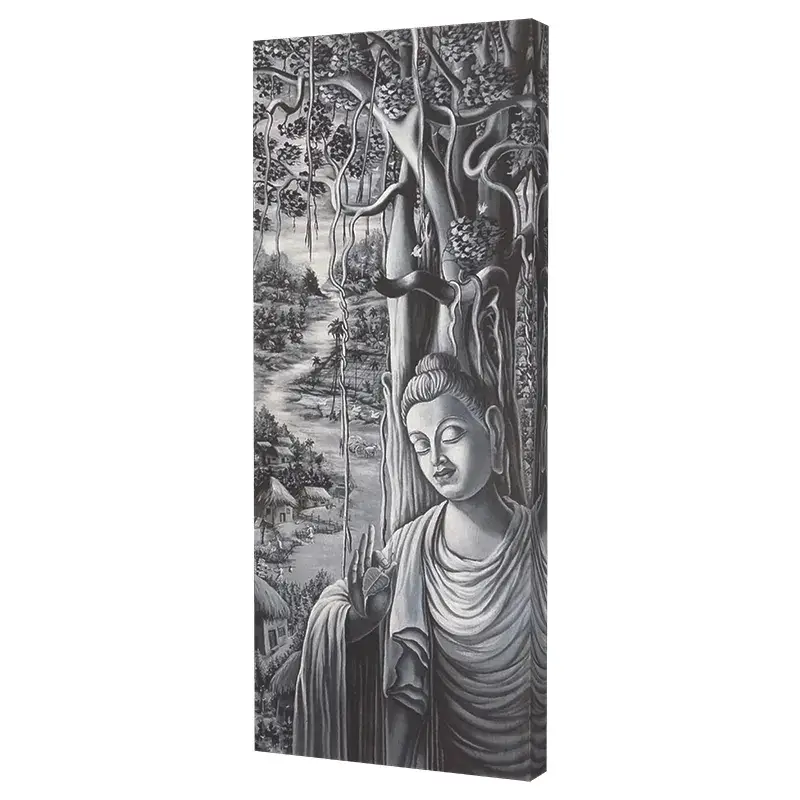
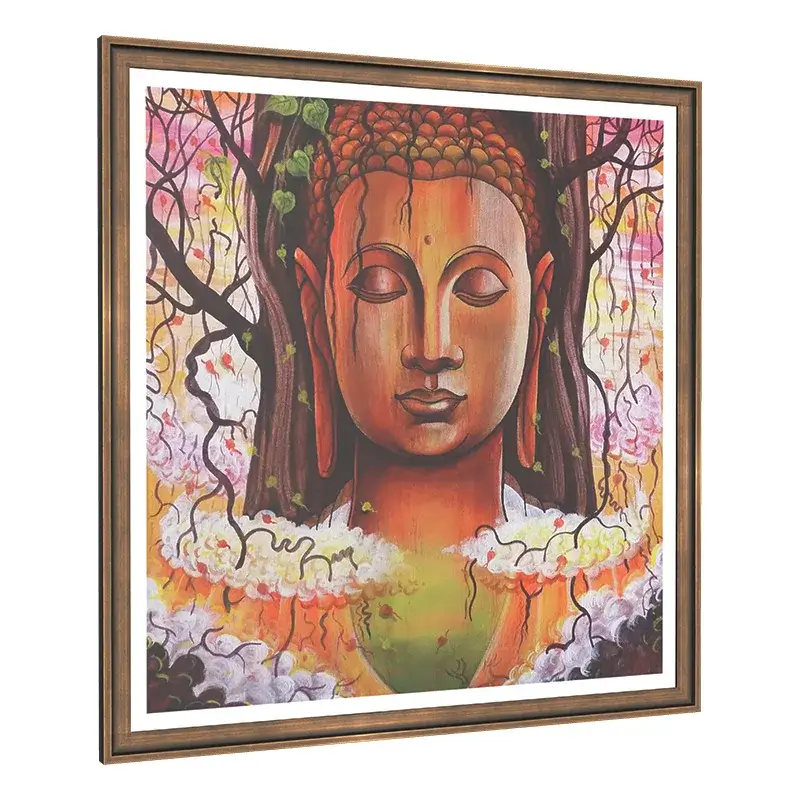
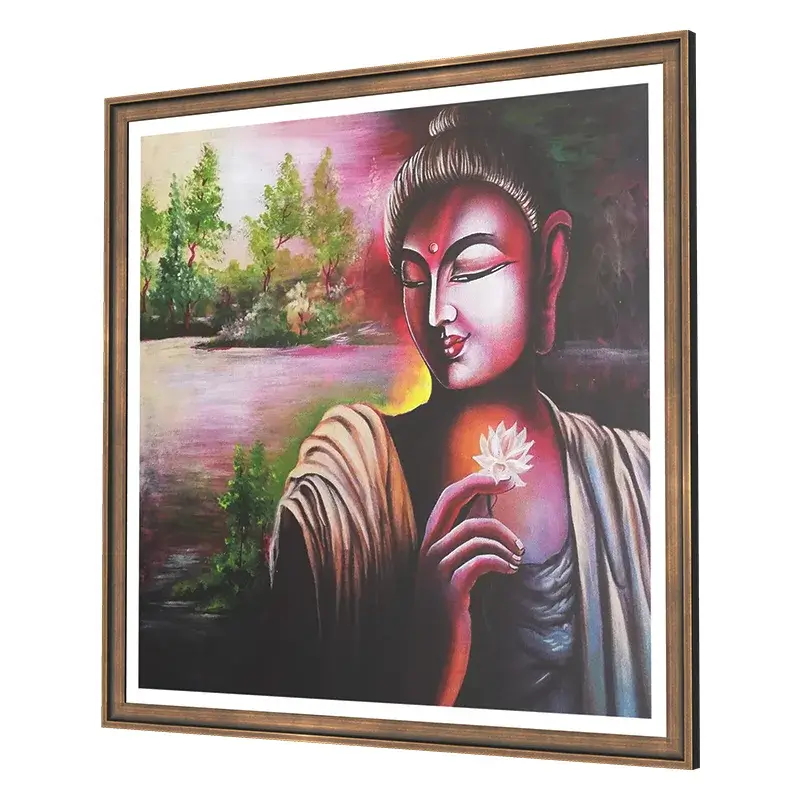
Buddha paintings offer more variety than people expect. Metallic and gold-toned portraits feel formal and luxurious. Monochrome versions feel quieter. They embrace minimalism. Nature settings add grounding — Buddha under a tree, or among bamboo. Each style creates a different mood. Pick the one that matches your room, not just the subject.
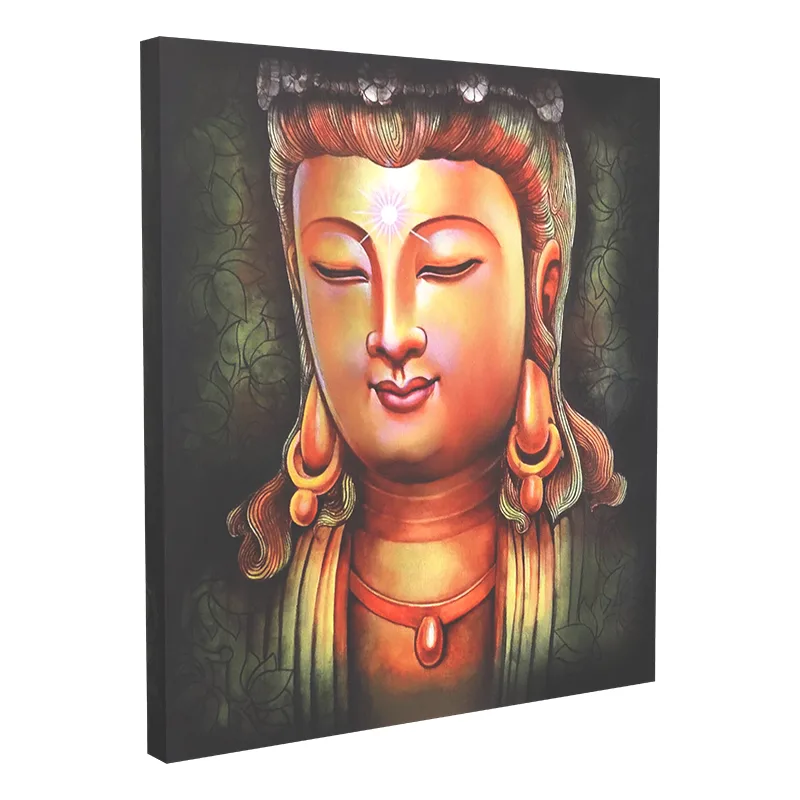
Gold tones bring warmth into a room without relying on bright color. That’s why they work so well in traditional or formal spaces. They add richness without creating visual noise.
The Lotus, the Posture, and What They Signal
Small details in a Buddha painting change its feeling more than people expect. A seated, meditative pose signals deep calm. Hands resting in the lap reinforce quiet introspection. This works best in a bedroom or meditation corner. A raised hand suggests teaching or reassurance. That feels more active. It suits living rooms and shared spaces better.
The lotus flower adds symbolic weight. It represents purity and growth emerging from difficulty. Even viewers not looking for symbolism sense this meaning. The imagery works on multiple levels at once.
Where to Hang It
Bedrooms and meditation corners are the obvious fits. Don’t overlook the entryway. A calm painting near your front door sets the tone instantly. That matters more than most people realize. A long day deserves a visual reset the moment you arrive home. Home offices work too. Screen time demands a visual rest. A Buddha painting provides exactly that.
Creating a Small Meditation Corner
You don’t need a dedicated room. A corner of a bedroom works. A quiet spot near a window works too. Hang the painting at seated eye level. You want to view it while sitting, not glance up at it while standing. Pair it with simple surroundings. Add a cushion. Include perhaps a small plant or candle. Eliminate visual noise nearby. The painting should be the natural focal point. Don’t let other elements compete with it.
A Note on Respect and Placement
For many people, Buddha imagery carries spiritual weight. It’s not just aesthetic. Show courtesy through thoughtful placement. Avoid bathrooms and directly above a bed’s headboard. Choose eye-level positions. Display it on its own wall. Don’t crowd it among unrelated decor. Some traditions suggest keeping the image at or above seated head height. A high placement shows respect. A low or forgotten spot does the opposite. Think about these details even if you approach the work purely as decoration.
Framing and Lighting for Calm
Simple frames suit Buddha paintings best. Use natural wood. Try thin gold. Consider no frame at all on a gallery-wrapped canvas. Ornate framing pulls focus away. Heavy frames distract from stillness. You want the image to feel calm, not framed.
Lighting shapes the mood powerfully. Use soft, warm light. Avoid bright overhead lighting. A small dedicated lamp reinforces intention. Add picture lighting if you’re creating a dedicated meditation corner. This matters especially if you use the space at different times. Soft lighting maintains calm throughout the day.
Candlelight works beautifully with gold-toned paintings. The warm, flickering light picks up metallic tones. Flat electric lighting rarely achieves this effect. If you can use candles safely nearby, do it. The combination deepens the calm.
Caring for a Buddha Painting
Dust gently with a soft, dry cloth. Keep gold or metallic pieces away from direct sunlight. UV exposure dulls metallic pigments over time. It affects flat color too, but metallic pieces show damage more visibly. Avoid hanging near kitchens or bathrooms. Humidity and grease settle on the surface there. If the painting has raised or textured details, use a soft brush. Clean into the finer areas carefully. Don’t flatten the texture with cloth alone.
Common Mistakes to Avoid
The most common mistake: choosing a piece purely because it photographs well online. Don’t ignore your room’s actual mood or placement needs. A vibrant, richly colored piece can feel out of place in a quiet, restrained room. A very subdued monochrome can get lost in a bold, colorful space. Match the painting to the space, not to online aesthetics.
The second mistake: hanging it too low or in a high-traffic area. Low placement invites bumping and brushing. This undermines respect and calm. The painting needs its own protected space. The third mistake is over-decorating around it. A Buddha painting works best with open, uncluttered wall space. Don’t surround it with other frames or busy shelving. Let it breathe.
Buddha Paintings as Gifts
A Buddha painting makes a thoughtful housewarming gift. It works for anyone starting a meditation practice. Yoga studio owners appreciate them. People building calmer homes after stressful periods respond to them. The imagery reads universally. It feels calm rather than trendy. That means it suits a wider range of recipients than most gift art.
Buddha Art Beyond the Bedroom
Bedrooms and meditation corners are the most obvious placements. Hallways work well too. A Buddha painting offers calm as you move between busy areas. Spa-style bathrooms can feature a smaller, moisture-tolerant print. Use a print rather than original canvas. Humidity damages canvas. Even dining rooms can carry Buddha paintings well. Choose a piece with a warmer palette. It grounds a gathering space. It adds presence to conversation without demanding attention.
A Quick Buying Checklist
- Decide on posture and mood — meditative and still, or more active and teaching-oriented
- Choose gold, monochrome, or nature-setting based on your room’s existing style
- Plan placement carefully — avoid bathrooms, floors, and directly above bed headboards
- Leave generous open wall space rather than crowding it with other decor
- Confirm whether the piece is original canvas, especially for humid locations
Frequently Asked Questions
Is it disrespectful to hang a Buddha painting purely for decor?
Most people don’t consider it disrespectful. Buddha imagery has a long history in secular art and design. Thoughtful placement shows respect regardless of personal faith. Avoid bathrooms and disrespectful contexts. That’s generally sufficient.
What room benefits most from a Buddha painting?
Bedrooms and meditation or reading corners benefit most. These spaces are built for winding down. The painting’s calming effect matters most here.
Should I choose a colorful or monochrome Buddha painting?
It depends on your room. Monochrome suits minimalist and Japandi-style spaces. Gold or warm-toned pieces suit traditional or formal rooms wanting richness.
Can a Buddha painting go in a living room?
Yes, particularly an active or teaching-pose piece. This feels more appropriate for shared, social spaces than purely contemplative ones.
Can I hang more than one Buddha painting?
Yes, but give each piece its own space and purpose. Place one in a meditation corner, another near an entryway. Clustering them dilutes the calm each piece brings.
Does the direction the Buddha faces matter?
Many people prefer the image to face into the room. This directs calm presence toward the people using the space rather than away from it.
The Takeaway
A Buddha painting isn’t just another decor choice. It genuinely shifts room mood the moment it goes up. Choose a style that matches your desired calm. Give it room to breathe on the wall. Let it do the quiet work it’s meant to do.
Browse our full Buddha painting collection, hand-painted on canvas by our artists in India.